
Key Takeaways
- DIEP flap reconstruction uses your own abdominal tissue to create a natural-looking and feeling breast without cutting into stomach muscles.
- Good candidates generally have enough lower abdominal tissue and are in good overall health, though previous surgeries may impact eligibility.
- Asking the right questions about surgeon experience, success rates, and recovery protocols is crucial for a safe outcome.
- Comparing autologous tissue reconstruction against implants helps you understand the long-term benefits and maintenance differences.
- The Center for Microsurgical Breast Reconstruction is an expert provider of DIEP flap reconstruction in New York and Charleston, offering personalized care and advanced surgical techniques.
Understanding DIEP Flap Breast Reconstruction
Choosing the right path for breast reconstruction after a mastectomy is a deeply personal decision. Among the various options available, the Deep Inferior Epigastric Perforator (DIEP) flap stands out as a sophisticated, muscle-sparing technique. Unlike older methods that might sacrifice abdominal muscle strength, this procedure carefully transfers skin and fat from the lower abdomen to the chest to rebuild the breast mound.
Because this approach uses your own tissue, the results often look and feel remarkably natural. The reconstructed breast is warm, soft, and ages naturally with the rest of your body. However, because it is a complex microsurgical procedure, it requires a high level of surgical skill and planning. Understanding the nuances of this surgery is the first step in determining if it aligns with your lifestyle and recovery goals.
Evaluating Your Candidacy: Who Is Eligible?
Not every patient is an ideal candidate for every type of reconstruction. Your surgeon will look at several factors to determine if DIEP flap reconstruction is the safest and most effective choice for you.
Physical Requirements and Body Tissue
The primary requirement for this surgery is having sufficient tissue in the lower abdomen. Since the procedure essentially involves a 'tummy tuck' component where tissue is harvested, very thin patients might not have enough donor volume to match their desired breast size. Conversely, patients with a very high Body Mass Index (BMI) might face increased surgical risks. Your surgical team will assess your body composition to ensure there is enough vascularized tissue to create a symmetrical result.
Medical History and Previous Surgeries
Your medical history plays a significant role in your candidacy. Surgeons will review past abdominal surgeries, specifically those that may have cut across the blood vessels needed for the flap transfer. For example, a traditional abdominoplasty (tummy tuck) usually removes the vessels required for a DIEP flap. However, scars from C-sections or laparoscopies are typically not an issue. Smoking history and circulation issues are also critical factors, as healthy blood flow is essential for the transferred tissue to survive.
Comparing Your Options: DIEP Flap vs. Implants
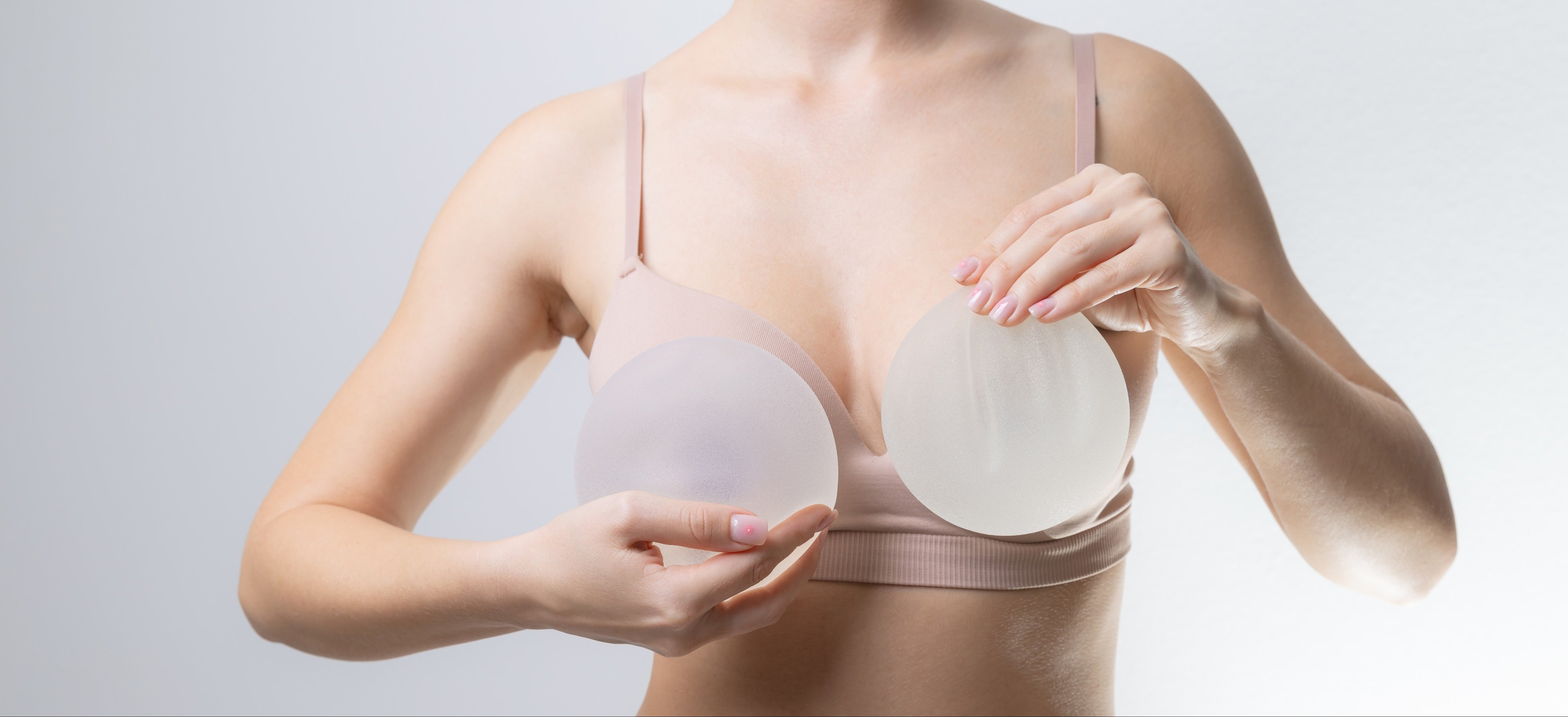
When weighing your options, it is helpful to directly compare autologous (using your own tissue) reconstruction against implant-based reconstruction. While implants are a common choice, autologous methods offer distinct long-term advantages.
Comparison: Autologous Tissue vs. Breast Implants
| Feature | DIEP Flap (Autologous Tissue) | Breast Implants |
|---|---|---|
| Look and Feel | Natural, soft, and warm; moves like natural breast tissue. | Can feel firm or round; may not mimic natural droop or movement. |
| Longevity | Permanent solution; tissue ages naturally with you. | Not lifetime devices; usually require replacement every 10-15 years. |
| Muscle Impact | Muscle-sparing; abdominal muscle is preserved. | Varies; implants can be placed over or under the chest muscle. |
| Surgery Duration | Longer initial surgery and hospital stay. | Shorter initial surgery; often an outpatient procedure. |
| Maintenance | Low maintenance once healed; no future replacement surgeries needed. | Requires monitoring for rupture (MRI) and eventual replacement surgeries. |
| Radiation | Handles radiation reasonably well compared to implants. | Higher risk of capsular contracture (hardening) if radiated. |
Essential Questions to Ask Your Reconstructive Surgeon
Once you have done your preliminary research, the consultation is your opportunity to interview your potential surgeon. This is not just about them assessing you; it is about you assessing them. Microsurgery is a specialized field, and experience matters immensely.
What is Your Experience with Microsurgical Reconstruction?
You should ask specifically about their volume of perforator flap surgeries. 'Do you perform DIEP flaps regularly, or just occasionally?' is a fair question. Surgeons at The Center for Microsurgical Breast Reconstruction specialize in these advanced techniques. High-volume surgeons typically have lower complication rates and shorter operative times because the team is well-rehearsed in the specific demands of microsurgery.
What Are Your Success Rates and Complication Risks?
Every surgery carries risk, but you need to know the specific stats for your surgeon. Ask about their rate of total flap loss (where the tissue fails completely). In expert hands, this should be very low (typically less than 1-2%). Also, ask about common complications like fat necrosis (firm lumps in the breast) or abdominal healing issues. An honest surgeon will be transparent about these risks and explain how they manage them should they arise.
Can I See Before and After Photos of Similar Patients?
Generic photos are helpful, but seeing results on bodies that look like yours is better. Ask to see cases of women with a similar body type and breast cancer history. Look for symmetry, the position of the breast mound, and the quality of the scars. This gives you a realistic expectation of what can be achieved regarding size and shape.
What Should I Expect During Recovery?
Recovery from autologous reconstruction is more involved than implant surgery. Ask for a detailed timeline.
- How many days will I be in the hospital?
- When can I walk, drive, or lift my arms?
- How long will I have surgical drains?
- What pain management protocols do you use?
Understanding the recovery curve helps you prepare your home and support system for the weeks following surgery.
Why Expertise Matters in Perforator Flap Surgery
The success of a DIEP flap relies heavily on the technical ability of the surgeon to dissect tiny blood vessels without damaging the abdominal muscle or nerves. This is why selecting a board-certified plastic surgeon with fellowship training in microsurgery is vital.
Expert surgeons prioritize not just the aesthetic outcome of the breast, but also the functional integrity of your abdomen. The goal is to restore your silhouette while maintaining your core strength. By choosing a specialized center, you ensure that your surgical team is equipped with the specific instruments, monitoring devices, and nursing expertise required for successful free flap transfer.
Partnering with The Center for Microsurgical Breast Reconstruction
Deciding on breast reconstruction is a major step in your journey toward healing and wholeness. Whether you are seeking immediate reconstruction at the time of mastectomy or delayed reconstruction years later, you deserve a team that views you as a whole person, not just a patient.
At our center, we pioneered many of the perforator flap techniques used around the world today. We believe that women should not have to compromise their muscle strength to achieve a beautiful, natural breast reconstruction. We are dedicated to providing you with the education and expert care necessary to make the choice that is right for you.
If you are ready to explore your options for natural tissue breast reconstruction, we invite you to schedule a consultation with our team. Contact The Center for Microsurgical Breast Reconstruction today to discuss your goals and learn if the DIEP flap is the right solution for your body and lifestyle. Request an Appointment to get started.
Frequently Asked Questions
How long does DIEP flap surgery take?
The surgery is complex and typically takes between 6 to 10 hours, depending on whether you are having reconstruction on one breast (unilateral) or both breasts (bilateral). While this is longer than implant surgery, the trade-off is a permanent result that does not require maintenance surgeries later in life.
Will I have sensation in the reconstructed breast?
Sensation recovery varies by patient. The DIEP flap transfers living tissue, which has the potential for nerve regeneration. Some surgeons perform nerve grafting techniques during the procedure to encourage sensation return. While it may not feel exactly like your original breast, many women regain pressure and touch sensation over time.
Does insurance cover DIEP flap reconstruction?
Yes, federal law (the Women’s Health and Cancer Rights Act of 1998) requires most group insurance plans that cover mastectomies to also cover breast reconstruction, including the DIEP flap. However, coverage can vary regarding deductibles and out-of-network providers, so it is important to verify benefits with your provider and the surgical center’s financial coordinator.
What is the main difference between TRAM and DIEP flaps?
The main difference is muscle preservation. The TRAM (Transverse Rectus Abdominis Myocutaneous) flap sacrifices a portion of the abdominal muscle to carry the blood supply to the breast. The DIEP flap separates the blood vessels from the muscle, leaving the abdominal muscle intact. This results in less risk of hernias and better long-term core strength for DIEP patients.
